
Research
How do cells navigate fate choices during development and tissue regeneration?
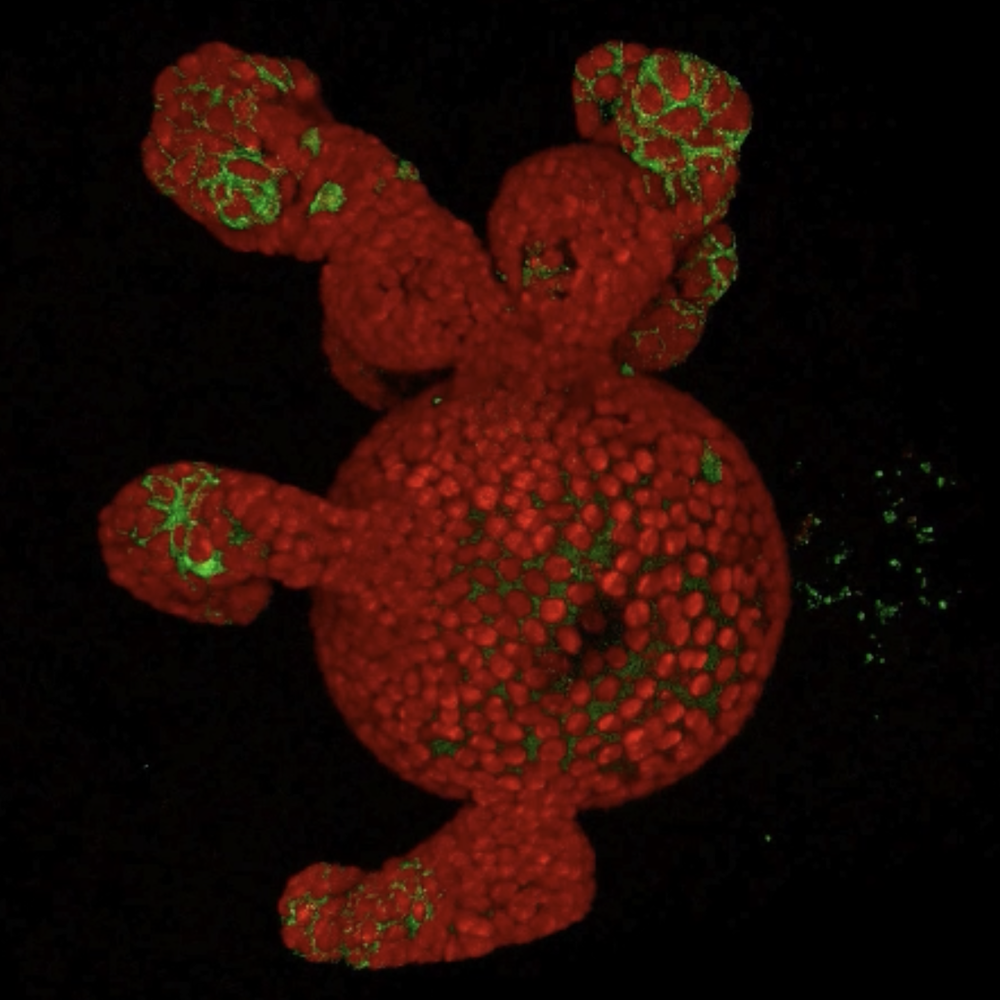
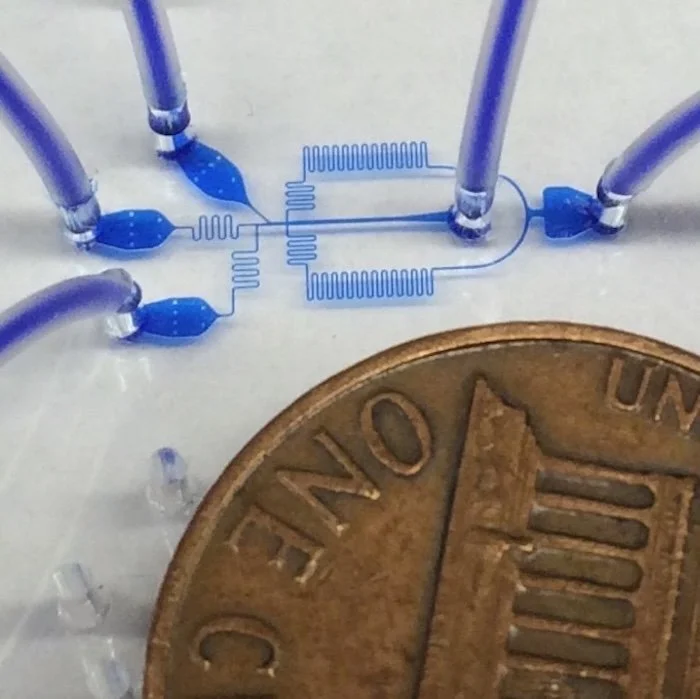
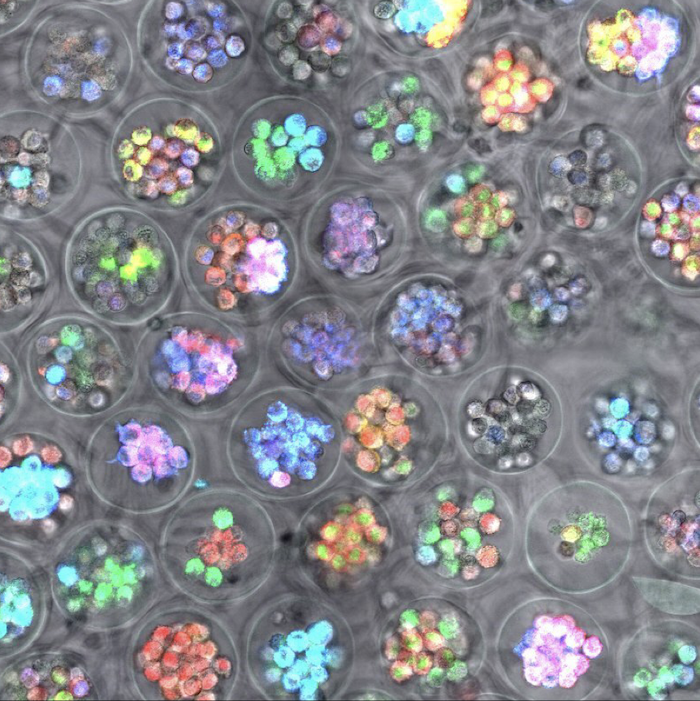
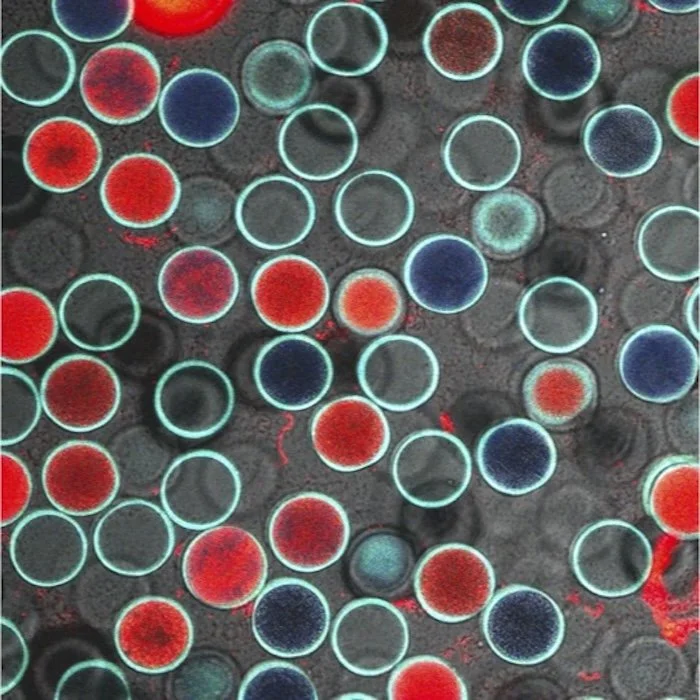
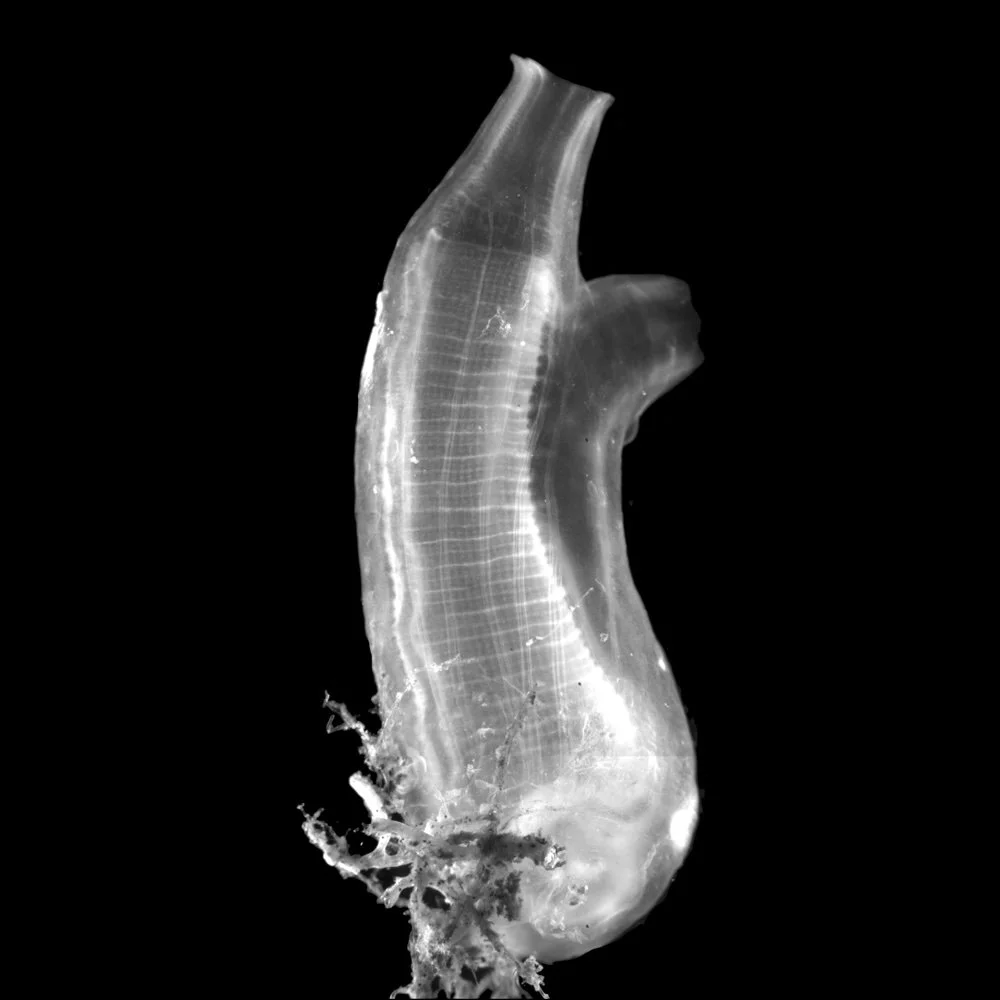
In the lab, we set out to untangle the molecular, lineage, and environmental cues that steer these processes. This pursuit has led us to build cellular genomics assays, lineage tracing strategies, and tools for quantitative modeling. Our aim is to resolve cell states, ancestries, and interactions. We then use these tools to uncover quantitative rules that govern how cells make fate decisions and tissues organize themselves. These same data allow building predictive models of tissue behavior.
The actual cellular strategies that drive changes in cell composition, organization and function vary between systems and contexts, but fate choice is an abstract idea. So, the approaches we develop for one system are often generalizable to another. To interrogate cell state and lineage at scale, we have introduced droplet-based barcoding and “CAGE” core-shell encapsulation that extend single-cell assays to multi-step and live-cell contexts. Alongside these platforms, we design algorithms that enable quantitative inference—such as extracting lineage-resolved trajectories, establishing causality in homeostatic feedback, quantifying the impact of measurement noise, cleaning up and visualizing data. Experimental advances demand new analytical methods. Together our tools moved us from static molecular portraits to dynamic models that reconstruct cell fate decisions and tissue-level patterning.
Some of our earlier work centered on constructing time-resolved, single-cell maps of developmental differentiation. We showed that such maps serve as references for understanding how complex tissues emerge, adapt, or go awry under genetic and environmental perturbation. By building maps in multiple model systems, we bring an evolutionary and comparative lens to developmental biology. We have also discovered new cell types and states of activation.
Some of our work suggests where to look for mechanism, and where not to. For instance, we found that fate biases can manifest earlier than transcriptional profiling alone would indicate, and that cell state transitions can proceed without accompanying cell division. We’ve found that adult progenitors in one tissue tune their self-renewal locally through demand-driven feedback, and in another they increase their sensitivity to demand during stress. Recently, by studying blood cells in our closest invertebrate relatives, we are uncovering substantial plasticity in immune cell lineage hierarchy and transcriptional identity over evolutionary time scales.
Altogether, our efforts move beyond static catalogues of cell types toward dynamic, predictive models of single cells, tissue development and regeneration. By combining technology, computation, and experiment, we aim to illuminate the logic of fate choice and provide both tools and frameworks for mapping—and ultimately directing—the cellular decisions that underlie tissue function and dysfunction.